Category: Sermons
-

Entering a Life Guided by Christ
In the Gospel of John shifts focus to something specific: Christ as the gatekeeper. Jesus doesn’t just guide like a shepherd, he controls entry. Gatekeepers matter because they decide who gets in and who gets stuck outside, and people do this all the time, especially in church. Sometimes they welcome others in, sometimes they quietly…
-

The Silence that Speaks
The concept of “laconic” speech—defined by brevity and punch—originated with the Spartans’ famous one-word defiance (“If”) against Philip II of Macedon. This linguistic style appears throughout history and scripture, notably when Pontius Pilate dismisses his critics with the terse Latin phrase quod scripsi scripsi (“What I have written, I have written”). This sharp, final statement…
-
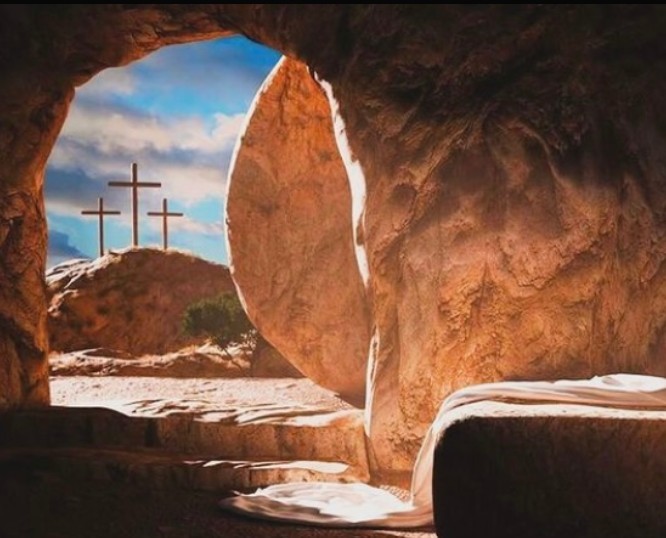
Recognizing Christ on the Road
We often chase power because it feels decisive and clean, allowing us to impose our will on life’s complexity. From family relationships to identity, we try to control outcomes—shaping children, partners, and even ourselves to meet expectations. This drive can lead us to suppress who we truly are, whether in our culture, sexuality, or sense…
-
Encountering the Risen Christ
We live in a world that prizes power—leaders use force, influence, and control to achieve their goals, often with questionable ends. Power can intoxicate us, and many of us feel tempted to control our lives and others. Yet we never truly achieve control. Death reminds us of our limits, especially when we lose those we…
-
Maundy Thursday
Honestly, if someone tried to wash your feet at dinner today, you’d probably call it a boundary violation and leave. But in the world of Jesus, this moment lands very differently. Teachers were revered for life, never lowered beneath their students. So when Jesus, their Rabbi and Lord, gets up during the meal and starts…
-
Rethinking Suffering and Spiritual Growth
1. The Human Habit of Asking “Why” In the story of Jesus encountering a man blind from birth, the disciples ask a question many people instinctively ask when faced with suffering: “Who sinned?” They want a cause so someone can be blamed. Humans often use the question “why” to search for explanations, but just as…
-
In spiritual darkness, searching for light
Nicodemus, a Pharisee and Jewish leader, came to Jesus at night. John tells us this detail for a reason. In John’s Gospel, light and darkness mean more than time of day. They point to spiritual truth. Nicodemus came at night because he was not ready to be seen with Jesus. He was curious but cautious.…
-

Why We Don’t Walk Alone
Meaning of Jesus’ 40 days in the wilderness Jesus enters the wilderness for forty days. He fasts, faces hunger and temptation in deep solitude. In that stripped-back place, fear and doubt rise to the surface. The wilderness exposes what lives inside us. Yet he does not remain there. He resists deception and returns ready to…
-

Season of Lent
Lent begins with a 40-day journey that leads to Holy Week and the Triduum. During this season, the Church commits to three core practices: fasting, prayer, and giving to those in need. Scripture frames this pattern through significant moments of “forty”: Mary and Joseph present Jesus in the temple forty days after his birth, and…
-

Only Jesus remains
Jesus has just told the disciples that he will suffer, die, and rise again. Peter first declares that Jesus is the Son of God, then immediately rebukes him for speaking about suffering. Jesus corrects him sharply but Peter wants a Messiah who fixes problems, like a divine Santa Claus. Many people imagine God that way.…