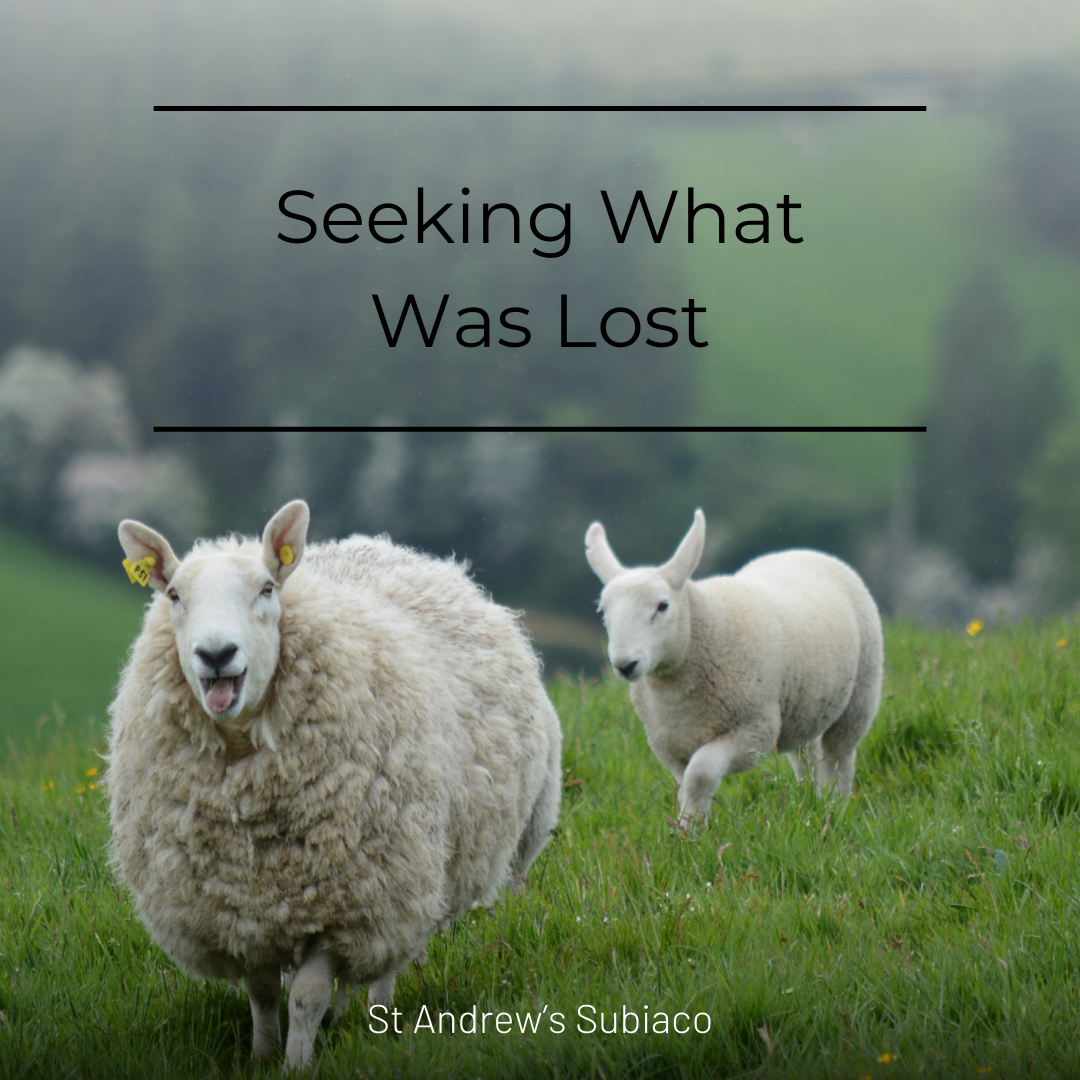
In Luke 15, Jesus tells three stories: the lost sheep, the lost coin, and the lost son. At first glance, the parables of the sheep and the coin seem almost silly. Who would leave ninety-nine sheep behind to search for one, or gather friends to celebrate finding a coin? Yet Jesus uses these surprising stories to reveal something deeper: God’s relentless concern for the lost. Just as Luke often pairs stories of men and women, these parables remind us that no one is overlooked in God’s kingdom—everyone matters, no matter how small or seemingly insignificant.
Jesus told these stories to Pharisees and scribes—faithful, religious people who were troubled by His association with tax collectors and sinners. The challenge of the parables is not just for “outsiders,” but for those who consider themselves “good” and faithful. They invite us to examine ourselves through spiritual inventories, to pause in silence, and to reflect honestly on where we may have lost our way. God’s searching love calls us to recognise what is missing in our own lives—virtues that have been displaced by vices, faith that has been crowded out by distraction, or compassion that has been replaced with judgment.
The heart of these stories is God’s grace: a God who searches tirelessly for the lost, restores what is broken, and rejoices when we are found. When we do the hard work of self-examination and allow God’s Spirit to guide us, we not only rediscover His image within us but also grow more compassionate toward others. The more we wrestle with our own lostness, the more gentle and forgiving we become. In this way, the parables are both an invitation and a promise—that as God seeks us, we too are called to seek and embrace the lost, carrying God’s love into a world that longs to be found.