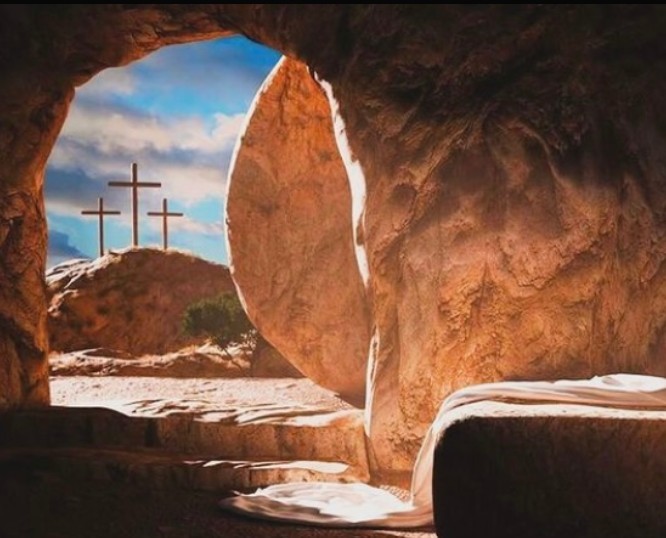
On the evening of Easter, the disciples were gathered in a locked house, afraid and uncertain after the public crucifixion of Jesus. While Jesus’ death was a verifiable historical event, the resurrection is not considered historically provable in the same way. The empty tomb, though often referenced, is simply a symbol of absence and mystery. Biblical symbolism, such as the empty mercy seat of the Ark of the Covenant, is used to interpret the tomb as a sacred space pointing toward a spiritual reality rather than empirical evidence.
Jesus appears to the disciples in their fear and offers them peace, a greeting rich in spiritual and cultural meaning. His appearance is both physical and mysterious—he shows real wounds and invites Thomas to touch him, yet he enters through locked doors, suggesting a transformed, spiritual body. Thomas’s reaction is portrayed not as unique doubt, but as part of a broader pattern of skepticism among the disciples, echoing earlier disbelief when others first reported seeing the risen Jesus.
The account concludes with a reflection on the meaning of resurrection for believers. The image of Jesus knocking at the door, drawn from the Book of Revelation and referenced by Pope Francis, symbolizes an invitation not for Jesus to enter, but for people to go out into the world with him. Believers are called to open the locked doors of fear, doubt, and comfort, recognizing Jesus’ presence and continuing his mission. This resurrection experience becomes a foundation for transformation, action, and participation in God’s ongoing work in the world.