Tag: spiritual Growth
-

Being Human and Finding New Life
Paul wrote his letter to the Romans to explain himself to a church he’d never visited. This church included both Jewish and Gentile believers, and tensions ran high between them. Paul wanted both groups to understand what it meant to belong to Christ, regardless of their background. He wrote the letter before a journey that…
-
Called to Continue Christ’s Mission
Jesus travelled from city to city healing the sick and proclaiming God’s kingdom. But even the Son of God had limits. Moved by deep compassion, he saw the crowds as “harassed and helpless, like sheep without a shepherd.” So he turned to those who had been watching and learning from him. He transformed his disciples…
-

From Invisibility to Healing
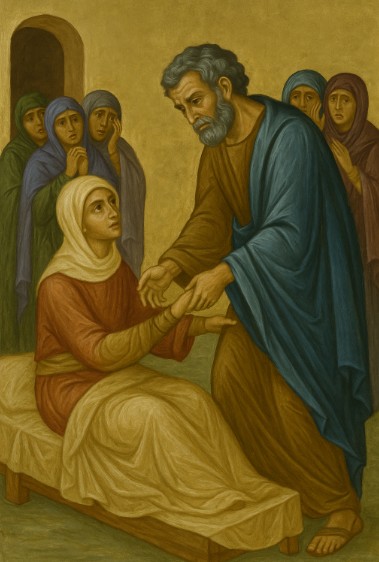
In Matthew 9, we encounter the moving story of a woman who had suffered from continual bleeding for twelve years. Because her condition rendered her ritually unclean under Jewish law, she lived not only with physical suffering but also with social and religious exclusion. Believing that even touching Jesus’ cloak would heal her, she approached…
-
Thinking Faithfully in a Crowded Marketplace
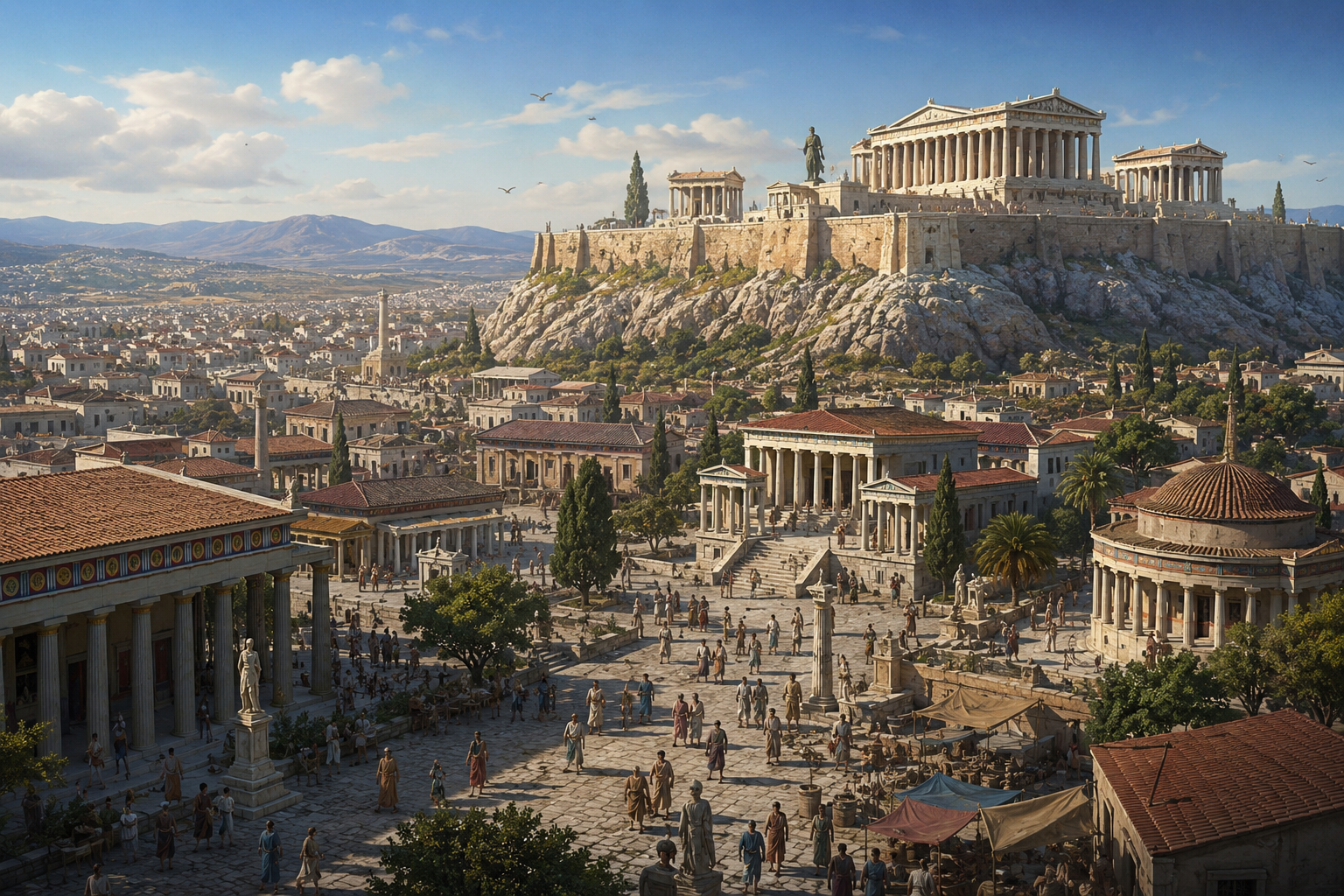
Paul arrived in ancient Athens expecting a city of great wisdom and philosophy and instead found it crowded with shrines, idols, and superstition. Disturbed by what he saw, he began speaking in the public squares, where both curious listeners and skeptical philosophers gathered around him. Some mocked him, while others genuinely wanted to hear more.…
-
Thinking Faithfully in a Marketplace of Ideas
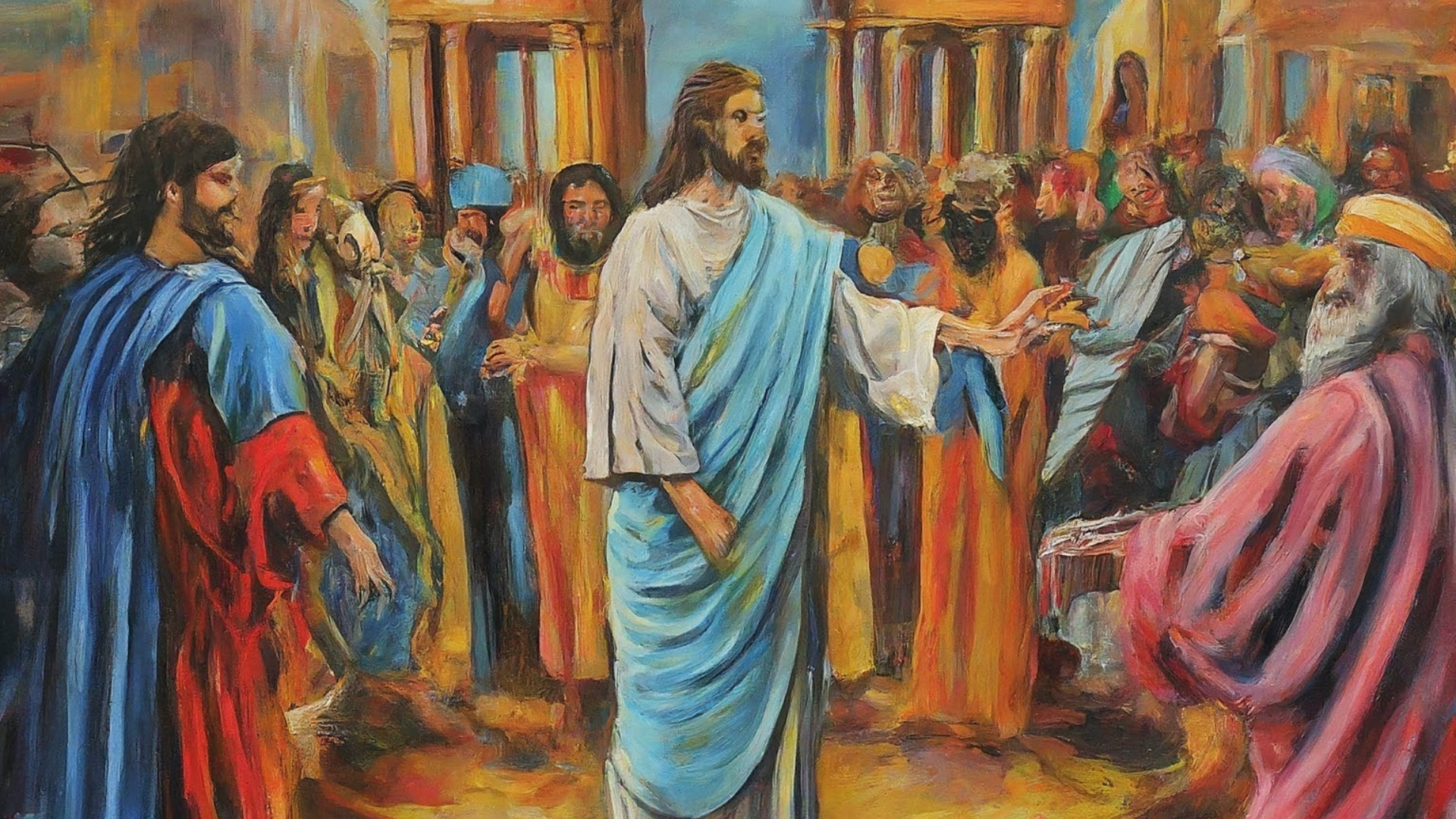
Paul’s visit to Athens revealed a city crowded with idols, shrines, and competing philosophies. While waiting for his companions, Paul walked through the marketplaces and public squares, where thinkers debated the newest ideas and citizens tried to “cover their bases” with every imaginable god. Troubled by both the superstition and the emptiness he saw, Paul…
-
Stephen’s Vision and the Cost of Discipleship
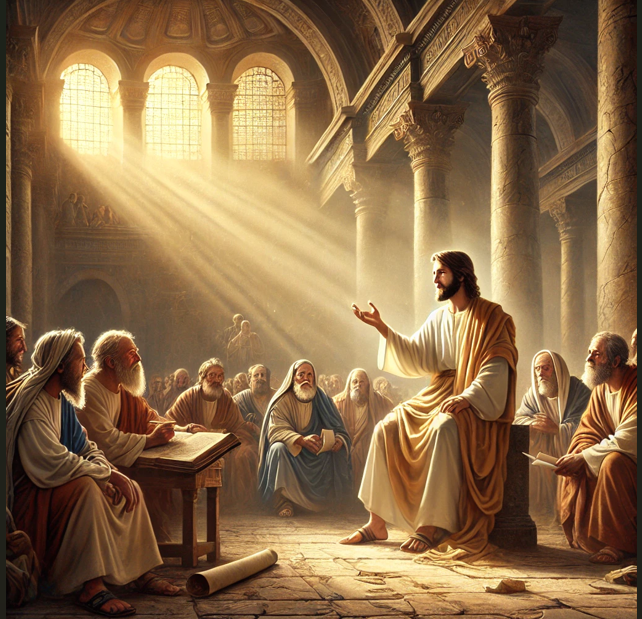
In Acts of the Apostles chapter 7, Stephen steps forward as the first Christian martyr and boldly defends his faith before the religious authorities. He doesn’t mumble a safe answer to avoid trouble. He delivers a sweeping account of God’s work in Israel and shows how Jesus fulfils that story. His speech helps the early…
-

Entering a Life Guided by Christ
In the Gospel of John shifts focus to something specific: Christ as the gatekeeper. Jesus doesn’t just guide like a shepherd, he controls entry. Gatekeepers matter because they decide who gets in and who gets stuck outside, and people do this all the time, especially in church. Sometimes they welcome others in, sometimes they quietly…
-

The Silence that Speaks
The concept of “laconic” speech—defined by brevity and punch—originated with the Spartans’ famous one-word defiance (“If”) against Philip II of Macedon. This linguistic style appears throughout history and scripture, notably when Pontius Pilate dismisses his critics with the terse Latin phrase quod scripsi scripsi (“What I have written, I have written”). This sharp, final statement…
-
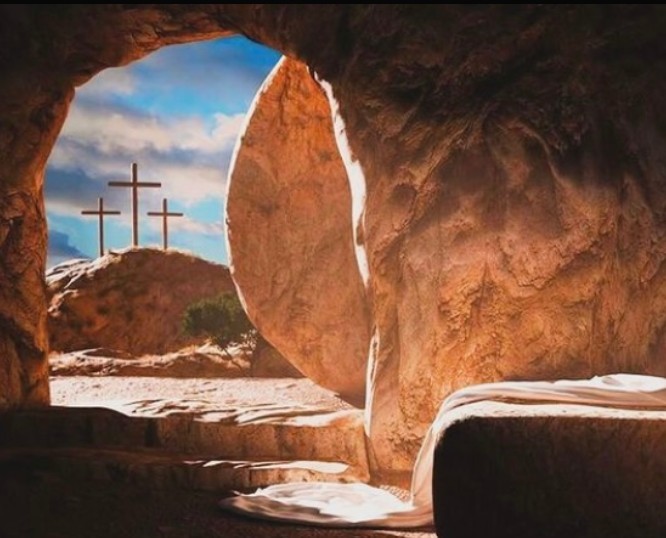
Recognizing Christ on the Road
We often chase power because it feels decisive and clean, allowing us to impose our will on life’s complexity. From family relationships to identity, we try to control outcomes—shaping children, partners, and even ourselves to meet expectations. This drive can lead us to suppress who we truly are, whether in our culture, sexuality, or sense…
-

Encountering the Risen Christ
We live in a world that prizes power—leaders use force, influence, and control to achieve their goals, often with questionable ends. Power can intoxicate us, and many of us feel tempted to control our lives and others. Yet we never truly achieve control. Death reminds us of our limits, especially when we lose those we…