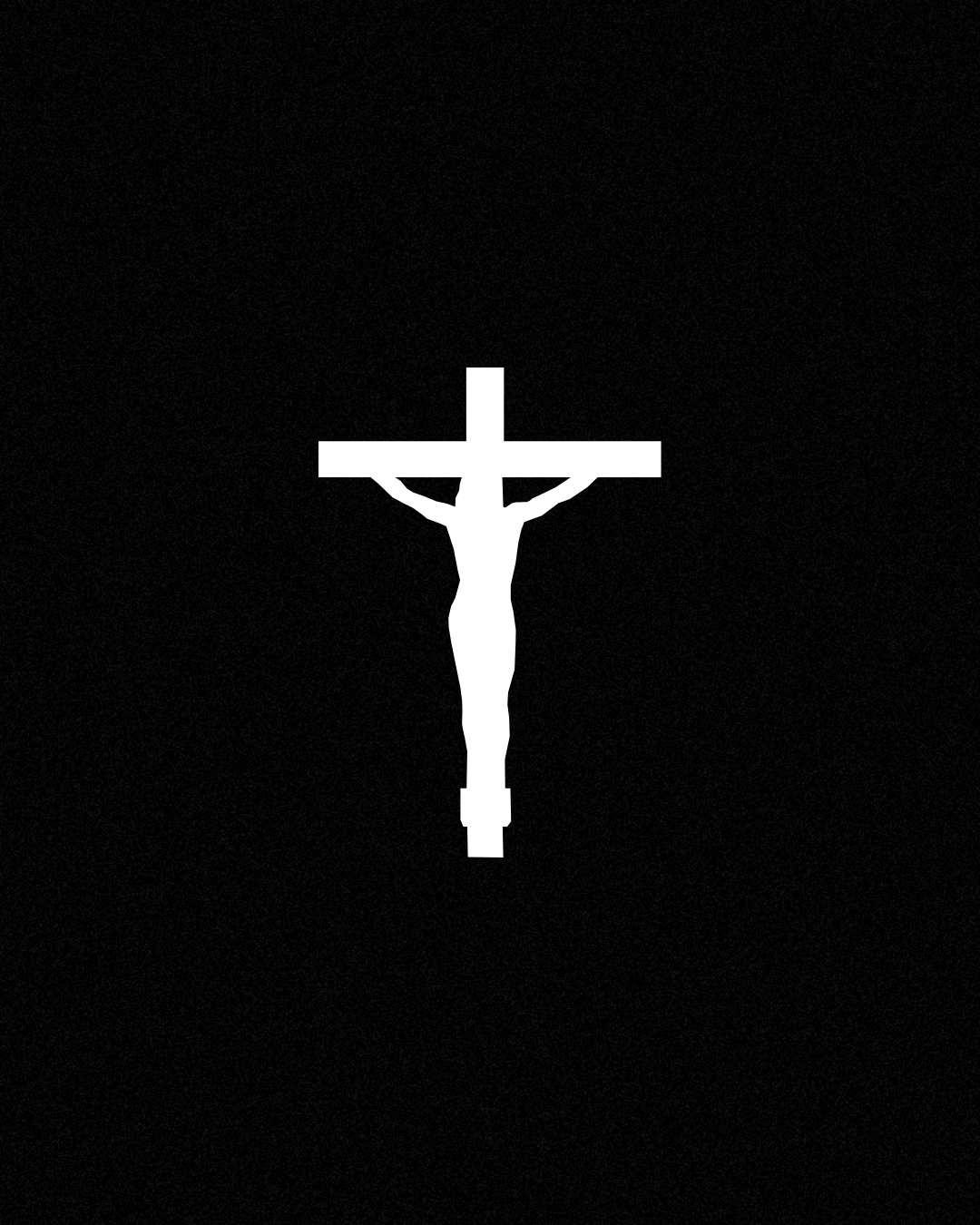
Reflecting on the paradoxical idea of Christ as King, the only inscription written about Jesus during His lifetime—“King of the Jews”—was intended as mockery, Christians recognise it as a profound truth: Christ is the King of all creation. This is beautifully expressed in the hymn from Colossians 1, which describes Jesus as the “image of the invisible God,” the one through whom all things were made. Icons, therefore, are not mere art but windows into this divine reality, helping believers see not just God in Christ but what humanity is meant to be.
Yet the Gospels balance this exalted image by drawing us to the crucifixion. In Luke 23, Jesus is surrounded by mockery and death, revealing a kingship defined not by power but by vulnerability, love, and self-giving. The plea of the repentant thief—“Jesus, remember me”—and Jesus’ promise of paradise reveal a kingdom unlike any earthly one.
In 1965, Polish Catholic bishops wrote a letter to German bishops after World War II. Despite immense suffering, the Poles offered reconciliation rooted in three Christian values—truth, dialogue, and forgiveness. These virtues mirror the transformative gaze Christians place on the crucified Christ, shaping them into people who choose love over vengeance.