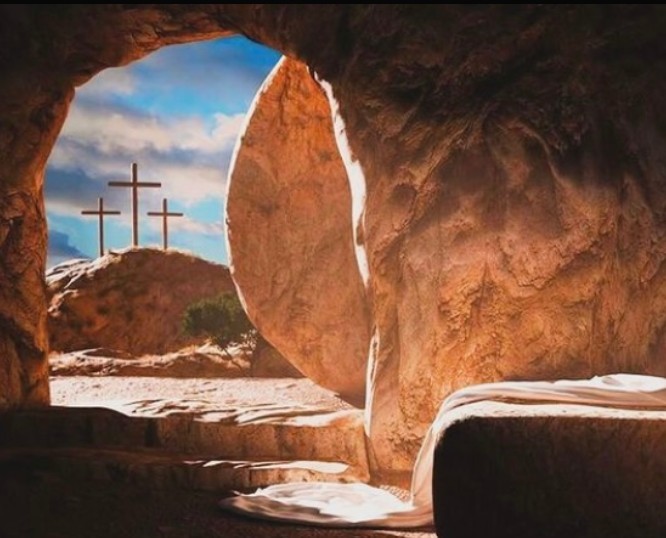
We often chase power because it feels decisive and clean, allowing us to impose our will on life’s complexity. From family relationships to identity, we try to control outcomes—shaping children, partners, and even ourselves to meet expectations. This drive can lead us to suppress who we truly are, whether in our culture, sexuality, or sense of self. Yet the cross exposes the limits of power: the Roman Empire used crucifixion to erase identity and shame its victims, and still, we remember Jesus’ name. This memory points beyond power to something deeper—an enduring truth that power cannot erase.
The story of the road to Emmaus captures what happens when power seems to have won. Cleopas and his companion walk away from Jerusalem in grief, convinced that their hope in Jesus has ended in failure. Their movement away reflects their inner despair: the empire has crushed the one they believed would redeem Israel. As they walk, Jesus joins them, though they do not recognize him. He listens, teaches, and reinterprets their story through scripture, yet they only truly see him later. When they invite him to stay and share a meal, he takes bread, blesses it, breaks it, and gives it to them. In that simple, familiar act, their eyes open—they recognize him, and everything changes.
This moment reveals the shift from power to true agency. Jesus does not overpower them; he meets them in their weakness, walks with them in their confusion, and reveals himself through relationship and shared presence. Their despair turns into purpose, and they immediately return to Jerusalem to share the good news. In the breaking of the bread, they rediscover not control, but transformation: their wounds, losses, and identities become the very places where God meets them. This is the heart of faith—not the pursuit of power, but the recognition of Christ among us, who feeds, restores, and sends us out to live as his people.