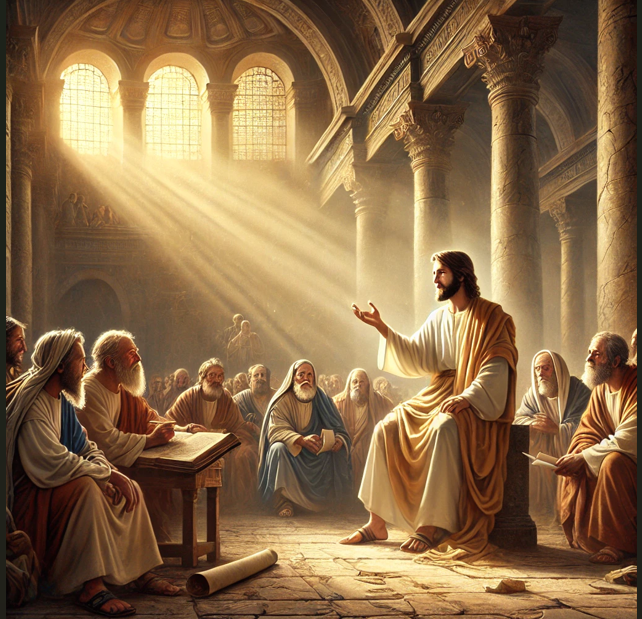
In Acts of the Apostles chapter 7, Stephen steps forward as the first Christian martyr and boldly defends his faith before the religious authorities. He doesn’t mumble a safe answer to avoid trouble. He delivers a sweeping account of God’s work in Israel and shows how Jesus fulfils that story. His speech helps the early Church define its identity, especially for Jewish believers trying to understand how following Christ fits within their tradition. Stephen speaks with clarity and courage, fully aware that truth-telling in a charged political and religious setting rarely ends with polite applause.
As his speech reaches its climax, Stephen receives a vision that pulls back the curtain between earth and heaven. He sees the glory of God and Jesus standing at God’s right hand, a powerful image of divine authority and presence. This vision confirms everything he has proclaimed. Yet instead of inspiring awe, it provokes fury. The crowd rejects his words, covers their ears, and drags him out to be stoned. In their minds, they act to remove impurity from their community. In reality, they silence a witness who refuses to bend truth to comfort.
Even in death, Stephen refuses hatred. He entrusts his spirit to Jesus and echoes Christ’s own words of forgiveness, asking God not to hold this sin against his killers. His response reveals the heart of Christian transformation: a life shaped by prayer, grounded in community, and formed through Christ’s example. Stephen doesn’t just speak about Jesus, he becomes like him. His story reminds believers that faith involves more than belief. It calls for courage, humility, and the slow, difficult work of forgiveness, until one day, like Stephen, they see Christ clearly and entrust everything into his hands.