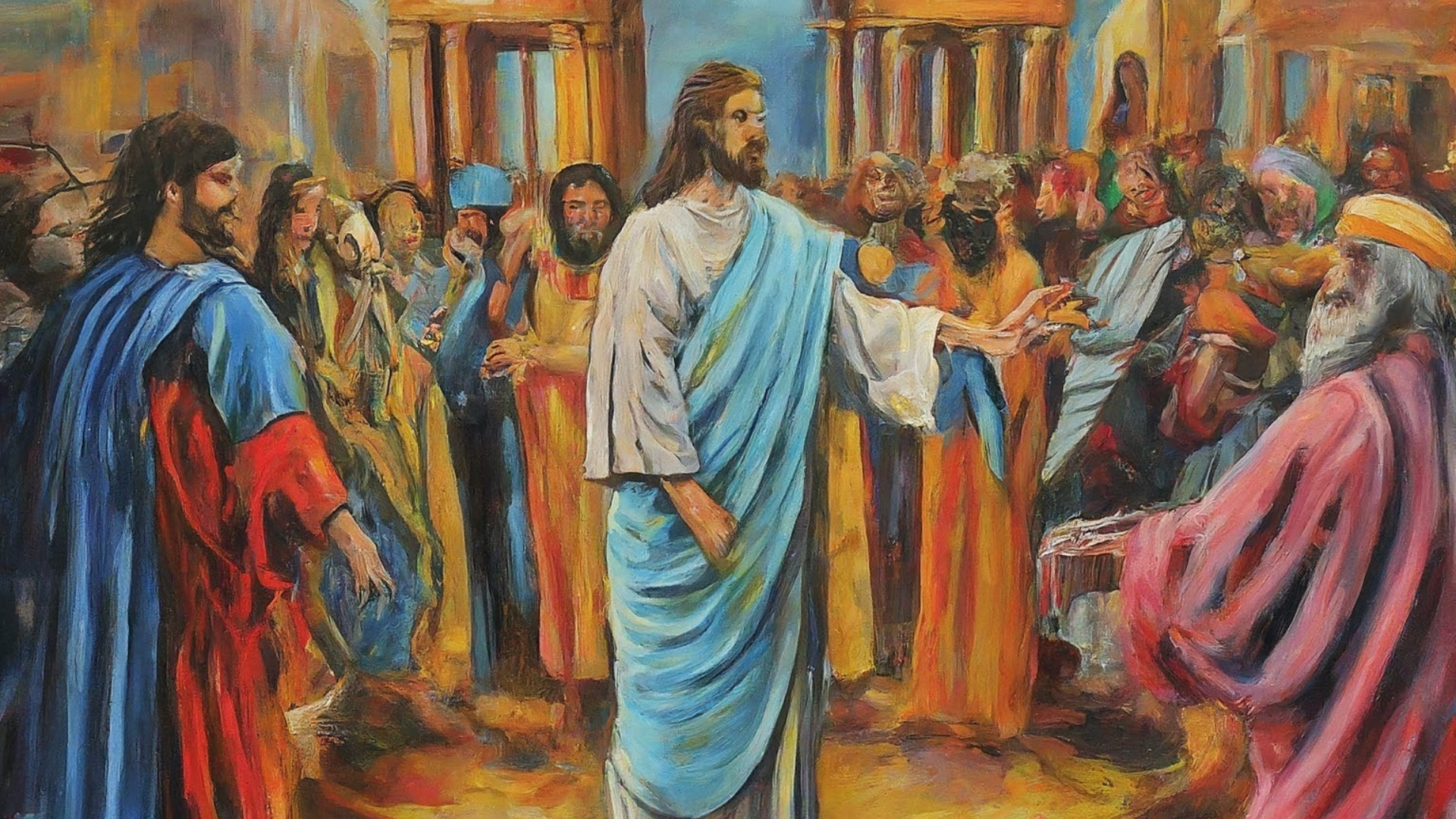
Paul’s visit to Athens revealed a city crowded with idols, shrines, and competing philosophies. While waiting for his companions, Paul walked through the marketplaces and public squares, where thinkers debated the newest ideas and citizens tried to “cover their bases” with every imaginable god. Troubled by both the superstition and the emptiness he saw, Paul used an altar dedicated “to an unknown god” as the starting point for conversation. He entered the intellectual heart of the city, the Areopagus, not to mock or dominate, but to invite dialogue. Luke’s account shows two very different responses to Paul: some dismissed him with ridicule, while others listened with genuine curiosity.
Modern society still swings between superstition and sophistication. People search for control through rituals, trends, crystals, or self-made spiritualities, while others challenge faith through philosophy, science, or scepticism. Like the Athenians, we live in a crowded marketplace of ideas where beliefs compete constantly for our attention. Paul does not respond with fear or simplistic answers. Instead, he begins with his experience of Christ and engages thoughtfully with the culture around him. He recognises truth, asks difficult questions, and invites deeper reflection rather than easy certainty.
Rather than handing out rigid answers to every question, the Church calls believers into prayer, reflection, and honest conversation. Faith grows not through slogans, but through wrestling with life, scripture, tradition, and the world around us. In a culture full of half-truths, noise, and competing voices, Christians must do the spiritual work of discernment. Like Paul in Athens, we are called to enter the conversation with humility, courage, and the conviction that there is always “something more” worth seeking. Humanity invents endless ways to avoid thinking carefully about existence. Remarkably, sometimes the Church asks us to do the opposite.