Category: Sermons
-

Is Jesus the One Who Is to Come?
John the Baptist, imprisoned and nearing the end of his life, sends his disciples to ask Jesus a profound question: “Are you the one who is to come, or should we wait for another?” Though John had boldly proclaimed Jesus earlier, this moment reveals doubt, suffering, and longing. Matthew places this scene carefully in the…
-

Waking Up to Spiritual Transformation
Paul’s message to the Romans, often misunderstood as simple moral instruction, points to something deeper than “don’t be naughty.” He writes not to scold strangers but to introduce himself and his understanding of the human condition. Using the example of ADHD, the speaker explains how people develop coping mechanisms—some helpful, some harmful—to survive inner turmoil.…
-

Truth, Kingship, and the Power of the Cross
Reflecting on the paradoxical idea of Christ as King, the only inscription written about Jesus during His lifetime—“King of the Jews”—was intended as mockery, Christians recognise it as a profound truth: Christ is the King of all creation. This is beautifully expressed in the hymn from Colossians 1, which describes Jesus as the “image of…
-

Ordering the Spirit
St Paul’s warning against idleness in 2 Thessalonians 3 is better understood as a call to examine the disorderliness within our spiritual lives. Idleness is not simply laziness; it is a way of being spiritually disorganised, scattered, and unfocused. When our inner life lacks order, it manifests outwardly in physical, emotional, and relational ways. Words…
-
Living Faithfully in the Present
In the early church, the New Testament did not yet exist, and Christians relied on oral stories about Jesus and letters written to guide their faith. Paul’s letters were a radical and practical way to help early believers understand how to follow Christ. 1 Thessalonians was his earliest preserved letter, written to help the Thessalonian…
-
Seeing Ourselves Through Christ: The Heart of the Beatitudes and the Call to Holiness
Matthew reflects on the beginning of Jesus’ public ministry as recorded in Matthew’s Gospel, where he ascends the mountain and begins to teach the Beatitudes. He presents Jesus as the divine teacher who surpasses Moses — not merely relaying God’s word, but being its very source as the Son of God. The Beatitudes, then, are…
-
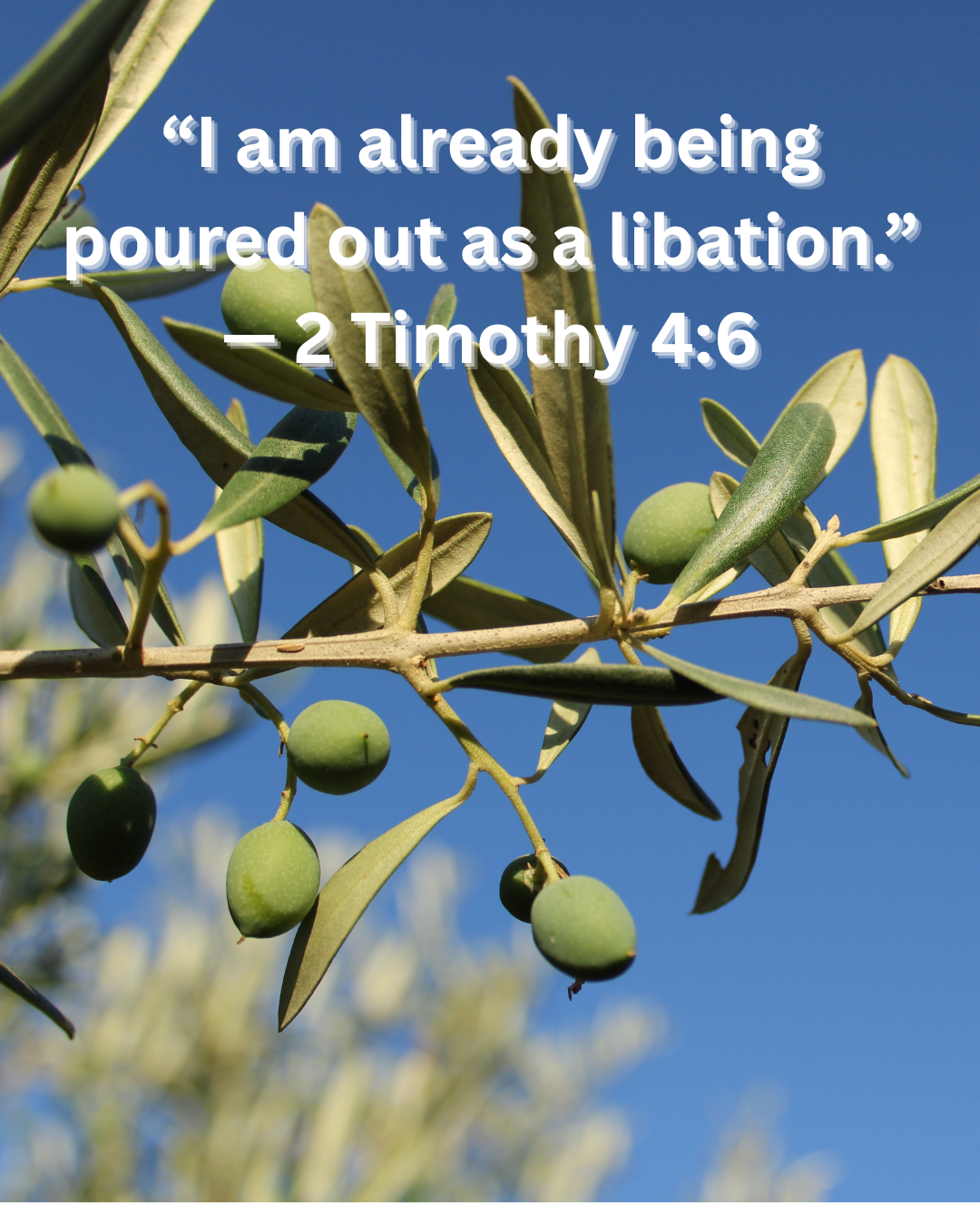
A Life Poured out as Libation
The image of pouring out also resonates in human experience. We speak of “pouring out our hearts” in love, sorrow, or prayer—moments of deep vulnerability where we open ourselves to another. These moments of emotional or spiritual outpouring often come in times of loss, such as during All Souls’ Tide, when grief wells up and…
-
Tickled Ears and True Faith
In Paul’s second letter to Timothy (3:14–4:5), we hear the wisdom of an experienced church leader guiding a younger one to remain steadfast in faith. Paul reminds Timothy to continue in what he has learned — the faith handed down to him through his mother, grandmother, and through years of walking with Paul himself. This…
-
2 Timothy 2:8 – Truth, Compassion, and Courage
The passage begins with the verse from 2 Timothy 2:8 — “Remember Jesus Christ, raised from the dead, a descendant of David — that is my gospel.” this letter, traditionally attributed to Paul, has become a point of debate in biblical scholarship. Earlier generations accepted Pauline authorship without question, but modern scholars suggest it may…
-

Serving Without Seeking Praise
In Luke 17:7–10, Jesus shares a parable about a servant to teach a deeper truth about humility and faith. While modern readers may find the term “worthless slaves” uncomfortable, Jesus’ intent was not to demean but to challenge the mindset of seeking recognition. This teaching concludes a section of Luke’s Gospel that warns believers not…