-

2 Timothy 2:8 – Truth, Compassion, and Courage
The passage begins with the verse from 2 Timothy 2:8 — “Remember Jesus Christ, raised from the dead, a descendant of David — that is my gospel.” this letter, traditionally attributed to Paul, has become a point of debate in biblical scholarship. Earlier generations accepted Pauline authorship without question, but modern scholars suggest it may…
-

Serving Without Seeking Praise
In Luke 17:7–10, Jesus shares a parable about a servant to teach a deeper truth about humility and faith. While modern readers may find the term “worthless slaves” uncomfortable, Jesus’ intent was not to demean but to challenge the mindset of seeking recognition. This teaching concludes a section of Luke’s Gospel that warns believers not…
-

The Rich Man, Lazarus, and the Chasms Within
In Luke 16, Jesus tells the story of the rich man and Lazarus—a parable that illustrates both social responsibility and spiritual truth. While Lazarus, the poor man, is named, the rich man remains nameless, historically referred to as “Dives,” the Latin word for rich. This detail points to a deeper message: we are invited to…
-

A Lesson in Forgiveness
In Luke 16:1–13, Jesus tells the puzzling parable of the dishonest steward, a manager accused of squandering his master’s property. Instead of confessing or working honestly, he cleverly reduces the debts of his master’s debtors, binding them to himself through obligation. Though his actions are dishonest, they reveal the ancient world’s reality of social and…
-

Seeking What Was Lost
In Luke 15, Jesus tells three stories: the lost sheep, the lost coin, and the lost son. At first glance, the parables of the sheep and the coin seem almost silly. Who would leave ninety-nine sheep behind to search for one, or gather friends to celebrate finding a coin? Yet Jesus uses these surprising stories…
-
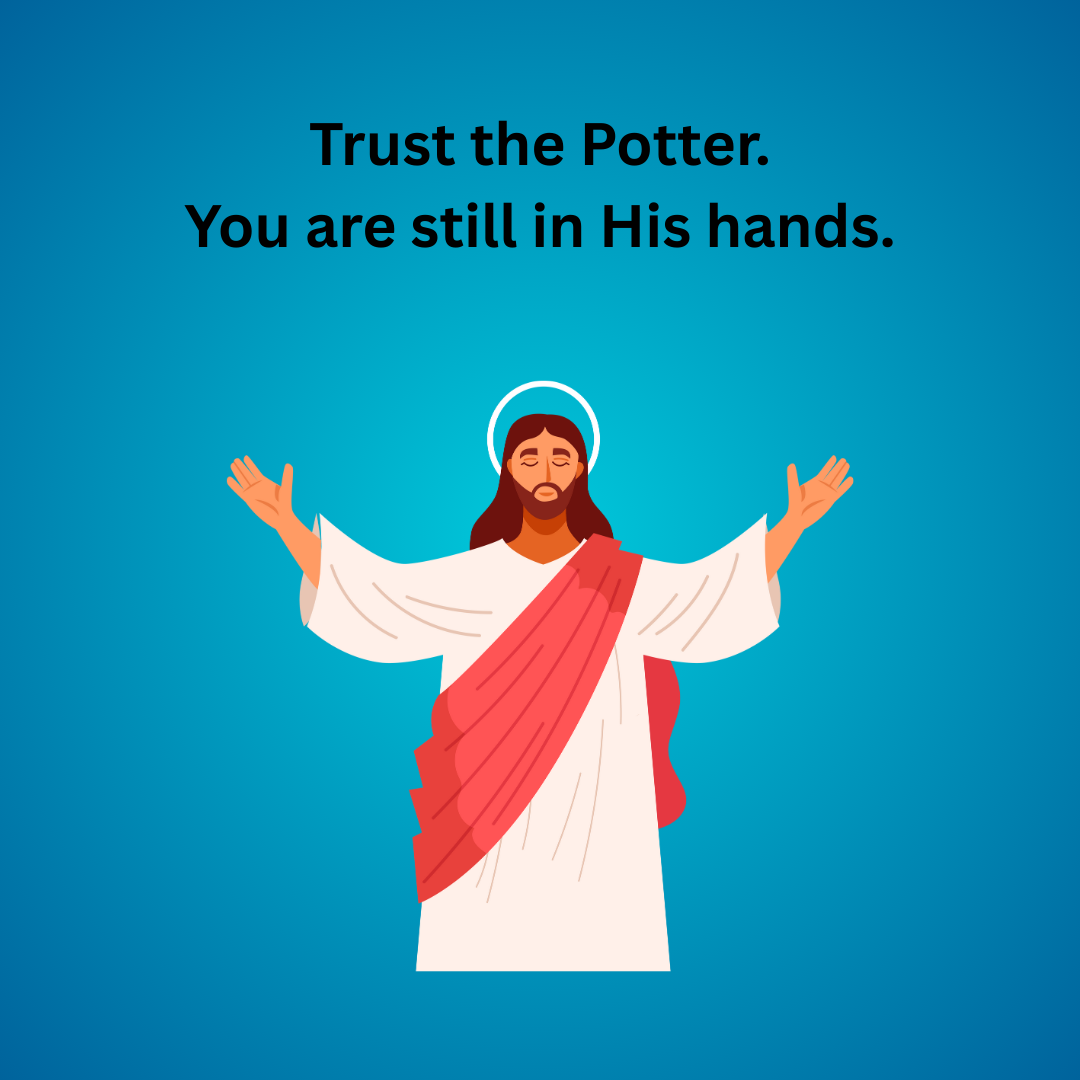
The Potter and the Clay: God’s Work of Renewal
In Jeremiah 18, God instructs the prophet to visit a potter’s house, where the image of the clay being shaped on the wheel becomes a lesson about God’s relationship with His people. The potter carefully works the clay, sometimes needing to rework it when it collapses or turns out misshapen. In the ancient world, pottery…
-
Humility and Honour
The Gospel of Luke, Chapter 14, begins with Jesus’ attendance at a dinner party hosted by a leader of the Pharisees. The atmosphere was tense, as Luke notes that the guests were “watching him closely,” essentially scrutinizing him for any misstep that could be used against him. Jesus, an invited guest of honor, observed the…
-

Beyond Rules: The Freedom of Healing on the Sabbath
During a Sabbath worship service at a synagogue, a woman who is unable to stand up straight for 18 years encounters Jesus. Her physical condition is not just a bodily ailment; it also represents her emotional, mental, and spiritual oppression. The text suggests that her inability to stand tall mirrors the burdens and difficulties many…
-

The Fire of Christ
Jesus’ words about bringing fire and division can be unsettling, especially when they touch on family and close relationships. Yet he speaks this truth to remind us that following him will sometimes disrupt what feels safe or comfortable. His message challenges us not to settle for surface peace but to seek the deeper truth of…
-

True Worship: Seeing God, Seeing the Vulnerable
Isaiah begins with a striking image, calling the people “rulers of Sodom” and “people of Gomorrah.” It’s a sharp echo of the old story from Genesis, where those cities fell under God’s judgment. Many through history have tied that judgment to sexual sin, but Ezekiel gives another angle—one that runs deeper. The heart of the…